

Breast Reconstruction
Breast reconstruction is a surgical procedure that aims to recreate the breast after mastectomy (complete removal of the breast) or after surgeries that lead to loss of shape and tissue. This process can help restore both physical appearance and body image. Assoc. Prof. Dr. Melekber Cavus approaches reconstruction not only as a repair, but as a comprehensive rebuilding planned according to the patient’s anatomy, lifestyle, and expectations.
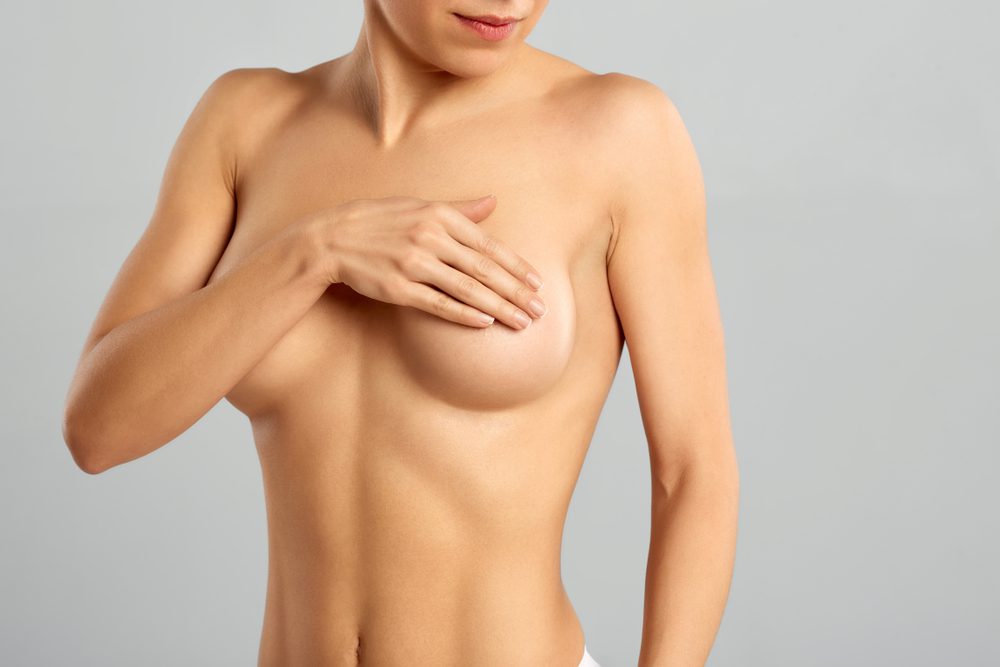
What Is Breast Reconstruction?
Breast reconstruction is a surgical procedure that aims to recreate the breast after mastectomy (complete removal of the breast) or after surgeries that lead to loss of shape and tissue. This process can help restore both physical appearance and body image.
Assoc. Prof. Dr. Melekber Cavus approaches reconstruction not only as a repair, but as a comprehensive rebuilding planned according to the patient’s anatomy, lifestyle, and expectations.
Who Is Breast Reconstruction Suitable For?
Breast reconstruction is an option for most patients who undergo mastectomy. It may be planned in the following situations:
- After unilateral mastectomy
- After bilateral mastectomy
- After prophylactic (preventive) mastectomy
- In cases with significant loss of breast shape and volume
Suitability is evaluated based on general health and the oncologic treatment plan.
Timing: Immediate or Delayed?
Breast reconstruction can be performed at two different times:
Immediate Reconstruction
Started during the same surgery as the mastectomy. It is possible for many patients and may help preserve the breast contour.
Delayed Reconstruction
Performed months or years after mastectomy. It may be preferred when radiotherapy is planned or in certain health conditions.
The appropriate timing is decided together with the patient and the relevant specialists.
Methods Used in Breast Reconstruction
Several surgical options are available. The most suitable method is determined by the patient’s anatomy and treatment plan.
Implant‑Based Reconstruction
Usually begins with a tissue expander and is followed by placement of a permanent implant. It is a two‑stage process that allows controlled shaping.
Autologous (Own‑Tissue) Reconstruction
Uses the patient’s own tissue (abdomen, back, hip, or thigh). It may require a longer surgery and recovery, but can be appropriate for some patients.
Combined (Hybrid) Methods
In some cases, tissue transfer and implant can be used together.
Unilateral and Bilateral Reconstruction
After bilateral mastectomy, symmetry is generally easier to achieve.
After unilateral mastectomy, additional procedures such as breast lift, augmentation, or reduction on the other side may be needed to balance both breasts.
The goal is the most balanced and natural look possible.
Nipple Reconstruction
If the nipple–areola complex was removed, it can be recreated in later stages of reconstruction. This is usually done under local anesthesia with a short recovery.
If needed, medical tattooing (micropigmentation) can be used to complete the areola appearance.
Postoperative Process and Recovery
Breast reconstruction often involves more than one stage. After the first surgery:
- A short hospital stay may be required
- Drains are usually removed within 1–2 weeks
- Return to daily life is generally possible within a few weeks, depending on the method
- Completion of reconstruction may take months
Each stage is planned individually and followed closely.
Breast Reconstruction Results
With current surgical techniques, natural, balanced, and body‑harmonious results are achievable. The goal is to restore the breast appearance while supporting quality of life and body image.
Pricing
Pricing starts at 5.000€, depending on the details of the procedure.
The final fee may vary depending on several factors. For example, the patient's overall health condition, where the procedure will be performed, and the scope of the procedure are all considered before the final price is determined.
Legal / Ethical Information: Breast reconstruction results may vary depending on the technique used, anatomy, and healing process. The most appropriate treatment plan is determined after multidisciplinary evaluation.